Tracker Season 3 Episode 6 Explores True Crime Obsession Through A Harrowing Mystery
Tracker met Psycho in this hour of the Colter Shaw show, which was just as horrifying as that comparison would suggest.
It’s one of those episodes that’s a little hard to digest because it goes to an extremely dark, sinister place, which isn’t unlike the show.
If there’s one thing Tracker never shies away from, it’s diving headfirst into the unsettling and setting up residence for an hour.

If Tracker Season 3 Episode 5 was a filler episode, then this one could also be classified as such, though the ending cliffhanger connects to the greater plot, the Shaw family drama.
But it was a cliffhanger that didn’t exactly leave you clamoring for more because it didn’t tease much of anything.




Randy finally got some dirt on the records Russell found that connected to that phone number Colter found, but we didn’t get even a sliver of a hint about what he found.
They could have thrown us a bone and at least hinted at some earth-shattering information that was about to shatter Colter’s and our world, but instead, we got nada. And it shouldn’t have annoyed me as much as it did, but here we are.
It didn’t seem like we were going to get any new Shaw family drama information anyway because this case wasn’t one of those that really connected with Colter on a personal level and made him get super introspective about his life.

The case of missing Margo wasn’t a ripped-from-the-headlines affair. Still, it felt like something super relatable in this day and age, with the sheer abundance of true crime documentaries and series dominating the airwaves.
Every time you turn around, there is a new crime series documentary about an unsolved murder that gets social media in a tizzy. And for some people who fancy themselves amateur sleuths, it can become something that becomes all-consuming.
That was clearly the case with Margo, Gunther, and Edward, who connected online and formed a really intense little trio, all with unique specialties.
For Margo, her job as a crime scene cleaner was much more than just a job; she was taking it home with her and trying to solve the crimes on her own time.
On the surface, it feels fun to dive deep into mysteries from the comfort of your own home. Part of the boom in true crime lies in that detachment and the fascination many people have with the darkest parts of humanity.
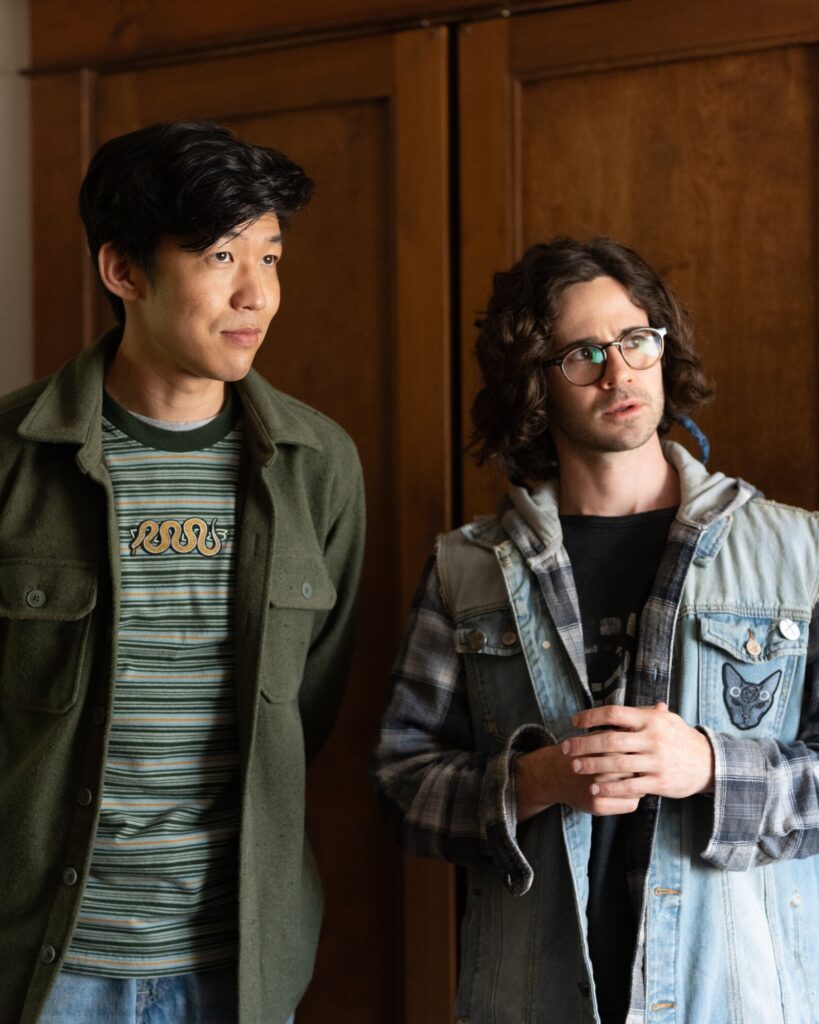
When Colter found Gunther and Edward’s lair, it was like something straight out of a horror movie. But Gunther and Edward were really just true crime junkies who found a way to turn their hobbies into something lucrative.
There’s certainly a market for memorabilia, insider tidbits, and tips that people crave, and Gunther and Edward took advantage of it.
It may not be something Colter could wrap his head around right away, but it’s a real thing.
Gunther and Edward weren’t the bad guys; they were concerned about their friend, and Colter picked up on that sincerity quickly.
And letting them come along to the Hardman house was a smart move because their unique brand of fanaticism would come in handy in a way Colter probably never even considered.

Could Colter have solved this case on his own? Sure. But Gunther and Edward definitely help him speed up the timeline, and this was a case where time was of the essence.
It’s a bit surprising that no one was making the connection between there being an uptick in “accidental” caregiver and patient deaths within a specific location before Margo, and then by proxy Colter, started sniffing around.
You’d think some alarm bells would be going off with someone, even if the deaths were classified as accidents. That’s too much of a coincidence.
But alas, Francis was clearly able to get away with his crimes for years because he was pretty meticulous in the way he planned these murders and carried them out.
It took a disturbing level of determination to do what he did to the Hardman’s. His actions reflected not only his deeply warped views but also the part of him that believed he was truly doing something for the greater good.
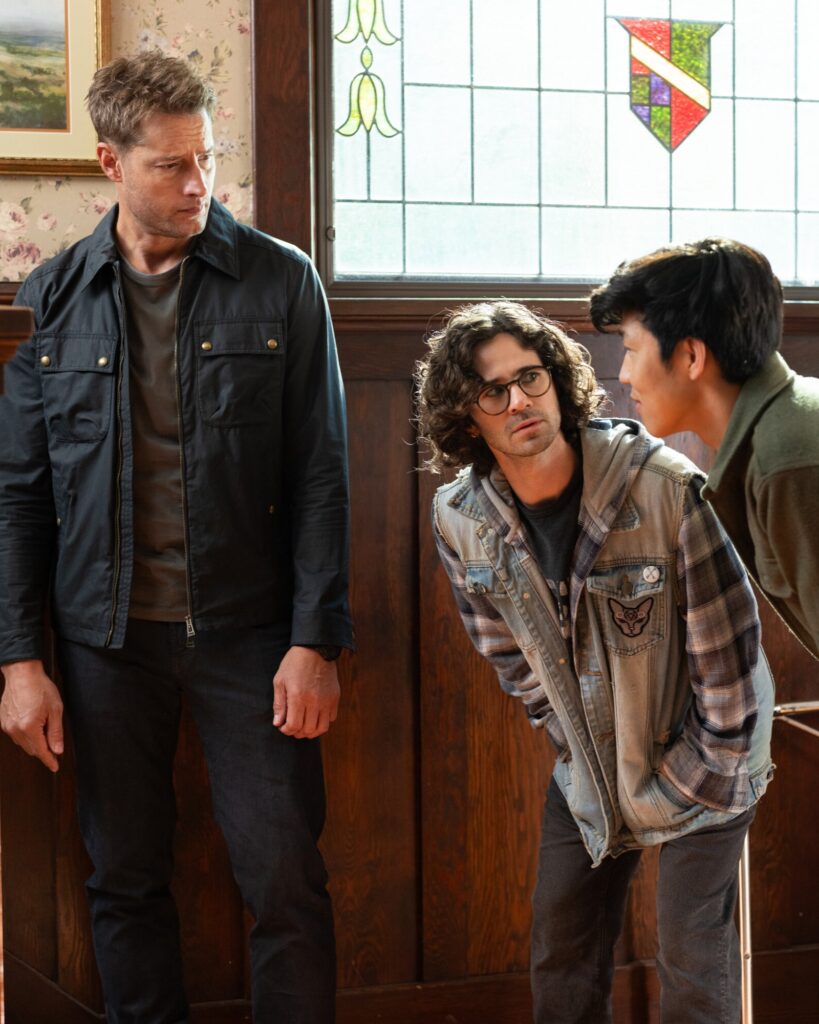
However misguided that view may be.
In Psycho, Norman Bates was fueled by jealousy, but Francis was driven by a profound sense of abandonment and a distorted understanding of the realities of relationships between caregivers and those they’re caring for.
He went on a years-long killing spree under the delusion that he was carrying out justice for people. He exploited his power over vulnerable people and believed that ending their lives and essentially relieving their caregivers was granting them mercy.
The whole case sent a shiver down my spine, but perhaps nothing more than when Francis was sitting with Margo and his mother, having tea. That was the scene where the full depth of the horror was fully realized.
Francis seemed to be keeping their bodies because in death, they were right where he wanted them. They were compliant, who he needed them to be at any moment, and they were unable to abandon him. In that gruesome setup, he finally had the attention he craved.

The whole thing was terrifying, and it didn’t even occur to me that Francis’s goal was to have Margo lead him to Gunther and Edward.
There was an unspoken subplot about the dangers of the internet woven throughout this entire hour, and it’s a valid concern given how much time people spend on the web every single day.
You may think you’re being safe and responsible with your digital footprint, but as it becomes easier to hide yourself on the internet, it eventually becomes easier to break it all down.
It was a close call there for Gunther with that bag over his head, and Francis had some super strength or something because you so rarely see anyone get a jump on Colter, but he had him there for a minute.
Those scissors aren’t in the right place, and Colter was going to have to figure something else out QUICK.
Tracker Season 3 has seen Colter team up with people who’ve been really helpful, and I kind of miss the days when everyone he worked with was super skeptical of him and there was some underlying animosity, because it was slightly more intriguing than everyone fawning over Colter.
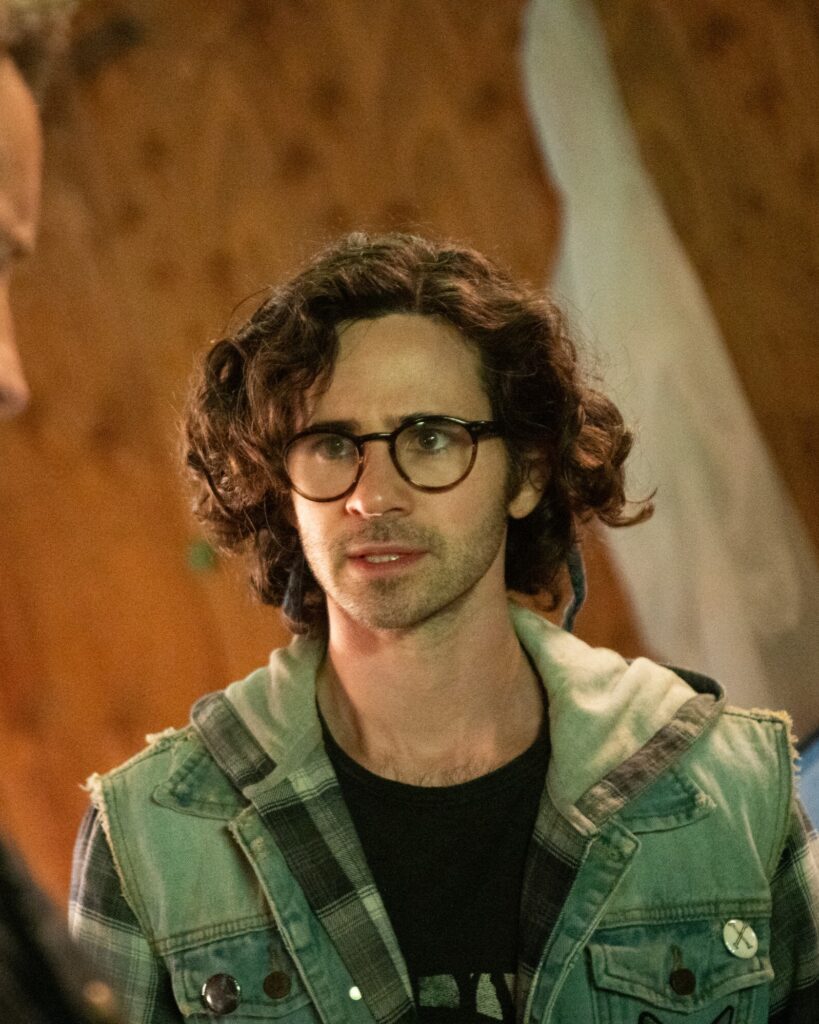
But then again, he’s good at what he does, and when you allow him to do his thing and Colter utilizes and respects the help and expertise of those around him, then things tend to work out in the end like they did here.
Colter, Gunther, and Edward all brought something to this case that helped them to find Margo and save themselves. A true team effort on this one, and hell, maybe Colter found a little bit of an appreciation for internet sleuths.
Someone I still don’t have an appreciation for? Mel.
All she’s done so far is be helpful, and on the surface, that should be enough for us not to second-guess her intention. But she’s being painted in a light right now that breeds skepticism from every angle.
She is there to work for Reenie, and yes, she and Randy do share a common space, and curiosity is a normal human feeling, but she is always up in Randy’s business whenever he’s working with Colter.

She knew a little too much about true crime and online forums, which immediately made me think she’s spent a lot of time on there trying to solve her mother’s murder, and that’s not suspicious.
But she has a keen interest in Colter and his business, and if this were just about Colter helping her solve her mother’s murder, did she really need to become Reenie’s assistant to do that?
There has to be something bigger at play, and the longer they keep Colter and Mel from meeting or communicating in any meaningful way, the greater my suspicion grows that there’s something else going on.
Tracker Notes
- Did Francis ever have visitors? How did he get away with his dead mother and brother in the house for 25 years?
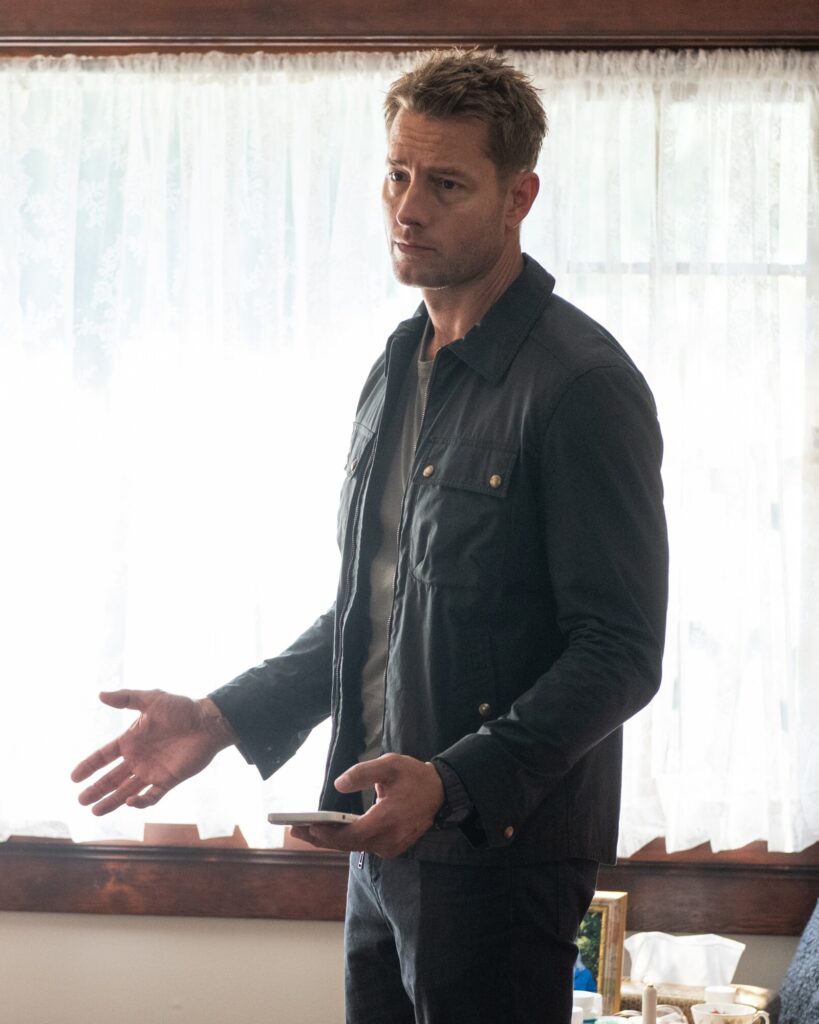
- No, Reenie, and she was missed. I need a Colter and Reenie team-up episode ASAP.
There was nothing wrong this hour, but it wasn’t Tracker at its very best either. And hey, there’s nothing wrong with a middle-of-the-pack installment.
What do we think Colter is going to find out next about his family?
And what are your thoughts on Mel?
Leave all your thoughts about this hour and some of these bigger questions below so we can discuss!
You can watch Tracker on Sundays at 8/7c on CBS.